Is my PDC accurate?

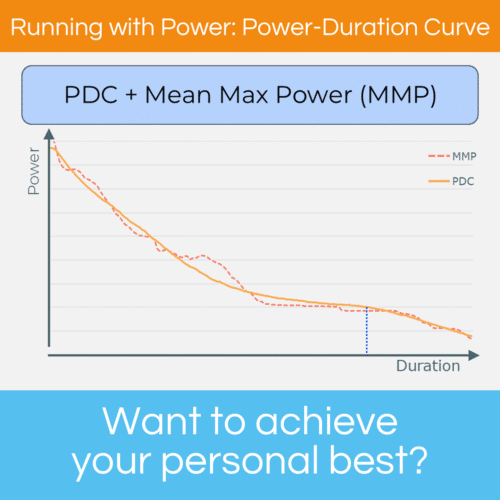
A Power-Duration Curve (with accompanying Mean-Max Power curve)

๐ˆ๐ฌ ๐ฆ๐ฒ ๐๐ƒ๐‚ ๐š๐œ๐œ๐ฎ๐ซ๐š๐ญ๐ž?

Your PDC is modelled using your best efforts from your recent workouts – usually, the last 90 days of workouts.

Its accuracy (and its usefulness) depends on whether those best efforts include some maximum effort runs for a range of different durations.

๐๐ž๐ฌ๐ญ ๐„๐Ÿ๐Ÿ๐จ๐ซ๐ญ๐ฌ?

Best efforts are those efforts with the highest average power for each duration on your PDC.

They need not be the best you could have achieved, just the best that you actually ran during the last 90 days.

๐Œ๐š๐ฑ๐ข๐ฆ๐ฎ๐ฆ ๐„๐Ÿ๐Ÿ๐จ๐ซ๐ญ๐ฌ?

Maximum efforts are efforts where you deliberately run as hard as you can for each duration.

They represent the best you can currently achieve.

๐€ ๐ซ๐š๐ง๐ ๐ž ๐จ๐Ÿ ๐๐ข๐Ÿ๐Ÿ๐ž๐ซ๐ž๐ง๐ญ ๐๐ฎ๐ซ๐š๐ญ๐ข๐จ๐ง๐ฌ?

Your PDC reflects your capability over very short durations (20-30 seconds), short durations (2-3 minutes), medium durations (12-15 minutes) and longer durations (20-40 minutes).

๐“๐จ ๐ž๐ง๐ฌ๐ฎ๐ซ๐ž ๐ฒ๐จ๐ฎ๐ซ ๐๐ƒ๐‚ ๐ญ๐ซ๐ฎ๐ฅ๐ฒ ๐ซ๐ž๐Ÿ๐ฅ๐ž๐œ๐ญ๐ฌ ๐ฒ๐จ๐ฎ๐ซ ๐œ๐š๐ฉ๐š๐›๐ข๐ฅ๐ข๐ญ๐ฒโ€ฆ

Your PDC needs to be ‘fresh’:
โšก A PDC that may have been ‘accurate’ 60 days ago is not necessarily ‘accurate’ today
โšก A PDC that includes best efforts rather than maximum efforts may not represent the best you can actually achieve

To ensure your PDC is ‘fresh’:
โœ… your training should include maximum effort runs for each of the above durations, so that your last 90 days of workouts includes a maximum effort for each duration
โœ… you should run maximum efforts every 4-6 weeks, alternating between durations, so that your Threshold Power (and your PDC) reflects your current capability.

๐‘บ๐’‰๐’๐’–๐’๐’…๐’’๐’• ๐’š๐’๐’– ๐’ƒ๐’† ๐‘น๐’–๐’๐’๐’Š๐’๐’ˆ ๐’˜๐’Š๐’•๐’‰ ๐‘ท๐’๐’˜๐’†๐’“?

โ“ Questions?
๐Ÿ“– Getting Started

๐“๐จ๐ฉ๐ข๐œ: ๐๐จ๐ฐ๐ž๐ซ-๐ƒ๐ฎ๐ซ๐š๐ญ๐ข๐จ๐ง ๐‚๐ฎ๐ซ๐ฏ๐ž
โฉ What are you capable of?
โฉ You fatigue faster at higher intensities
โฉ You fatigue more slowly at lower intensities
โฉ How do I use my PDC?
โฉ Is my PDC accurate?

How do I use my PDC?

A Power-Duration Curve (with accompanying Mean-Max Power curve)

๐‡๐จ๐ฐ ๐๐จ ๐ˆ ๐ฎ๐ฌ๐ž ๐ฆ๐ฒ ๐๐ƒ๐‚?

Your PDC is individual to you, your fitness, and your abilities.

It changes as you train (or detrain).

If youโ€™re training for an event, it should move up (higher power for same duration), to the right (longer duration for same power), or both.

๐–๐ก๐š๐ญ ๐๐จ๐ž๐ฌ ๐ญ๐ก๐ข๐ฌ ๐ฆ๐ž๐š๐ง?

You can use your PDC to:
โœ… identify the power you should be able to maintain for every duration modelled on your PDC โ€“ your current capability
โœ… estimate how well you might perform for a shorter event, where youโ€™ll be running at an effort where the fast component dominates
โœ… estimate how well you might perform for a longer event, where youโ€™ll be running at an effort where the slow component dominates
โœ… estimate your threshold, although your PDC isnโ€™t usually used for that. Your threshold lies approximately where the two curves meet โ€“ the vertical blue line in the image

๐‡๐จ๐ฐ ๐๐จ ๐ˆ ๐ค๐ง๐จ๐ฐ ๐ข๐Ÿ ๐ฆ๐ฒ ๐๐ƒ๐‚ ๐ข๐ฌ ๐š๐œ๐œ๐ฎ๐ซ๐š๐ญ๐ž?

A good question, and one thatโ€™s the topic of the final post in this series.

๐‘บ๐’‰๐’๐’–๐’๐’…๐’’๐’• ๐’š๐’๐’– ๐’ƒ๐’† ๐‘น๐’–๐’๐’๐’Š๐’๐’ˆ ๐’˜๐’Š๐’•๐’‰ ๐‘ท๐’๐’˜๐’†๐’“?

โ“ Questions?
๐Ÿ“– Getting Started

๐“๐จ๐ฉ๐ข๐œ: ๐๐จ๐ฐ๐ž๐ซ-๐ƒ๐ฎ๐ซ๐š๐ญ๐ข๐จ๐ง ๐‚๐ฎ๐ซ๐ฏ๐ž
โฉ What are you capable of?
โฉ You fatigue faster at higher intensities
โฉ You fatigue more slowly at lower intensities
โฉ How do I use my PDC?
โฉ Is my PDC accurate?

You fatigue more slowly at lower intensities

A Power-Duration Curve (with accompanying Mean-Max Power curve)

๐˜๐จ๐ฎ ๐Ÿ๐š๐ญ๐ข๐ ๐ฎ๐ž ๐ฆ๐จ๐ซ๐ž ๐ฌ๐ฅ๐จ๐ฐ๐ฅ๐ฒ ๐š๐ญ ๐ฅ๐จ๐ฐ๐ž๐ซ ๐ข๐ง๐ญ๐ž๐ง๐ฌ๐ข๐ญ๐ข๐ž๐ฌ

Intuitively, this is obvious.

If you run easy, you can run for a longer time, and the easier you run, the longer you can keep running (within your personal limits).

Whatโ€™s not obvious is that there is a mathematical relationship between your intensity (your effort) and how long you can hold it.

๐“๐ก๐ž ๐ซ๐ž๐ฌ๐ž๐š๐ซ๐œ๐ก

In 1977, Peter Riegel researched the relationship between runnersโ€™ performances over different distances and concluded that an exponential curve could predict race times for runners, given a performance at another distance โ€“ the slow component of fatigue follows an exponential curve.

Riegel expanded on his thesis in 1981, stating that his formula concerned โ€œactivities in the endurance range, lasting between 3-5 and 230 minutes.โ€

Riegelโ€™s formula plots time versus distance. Work by Van Dijk and Van Megen in 2017 concluded that thereโ€™s a similar relationship between power and time.

The curve is always exponential but may be flatter, showing better fatigue resistance, or steeper, showing worse fatigue resistance for longer events.

The picture shows the slow element of fatigue as the right side of your Power-Duration Curve, starting from the dotted blue line and extending further right.

๐–๐ก๐ฒ ๐ข๐ฌ ๐ญ๐ก๐ข๐ฌ ๐ฎ๐ฌ๐ž๐Ÿ๐ฎ๐ฅ?

Knowing the slope of your curve and the event distance, itโ€™s possible to predict how well you might perform for a longer event (e.g. a Half-Marathon), where the slow component dominates.

A race power target that reflects your personal best!

๐‘บ๐’‰๐’๐’–๐’๐’…๐’’๐’• ๐’š๐’๐’– ๐’ƒ๐’† ๐‘น๐’–๐’๐’๐’Š๐’๐’ˆ ๐’˜๐’Š๐’•๐’‰ ๐‘ท๐’๐’˜๐’†๐’“?

โ“ Questions?
๐Ÿ“– Getting Started

For more information on the research, please see:
๐Ÿ”น Riegel, P., (1981) Athletic Records and Human Endurance: A time vs. distance equation describing world-record performances may be used to compare the relative endurance capabilities of various groups of people.
๐Ÿ”น Van Dijk, H. & Van Megen, R. (2017) The Secret of Running. Maidenhead: Meyer & Meyer Sport (UK) Ltd

๐“๐จ๐ฉ๐ข๐œ: ๐๐จ๐ฐ๐ž๐ซ-๐ƒ๐ฎ๐ซ๐š๐ญ๐ข๐จ๐ง ๐‚๐ฎ๐ซ๐ฏ๐ž
โฉ What are you capable of?
โฉ You fatigue faster at higher intensities
โฉ You fatigue more slowly at lower intensities
โฉ How do I use my PDC?
โฉ Is my PDC accurate?

You fatigue faster at higher intensities

A Power-Duration Curve (with accompanying Mean-Max Power curve)

๐˜๐จ๐ฎ ๐Ÿ๐š๐ญ๐ข๐ ๐ฎ๐ž ๐Ÿ๐š๐ฌ๐ญ๐ž๐ซ ๐š๐ญ ๐ก๐ข๐ ๐ก๐ž๐ซ ๐ข๐ง๐ญ๐ž๐ง๐ฌ๐ข๐ญ๐ข๐ž๐ฌ

Intuitively, this is obvious.

If you sprint, you canโ€™t sprint for a long time, and the faster you sprint, the shorter the time you can keep sprinting.

Whatโ€™s not obvious is that there is a mathematical relationship between your intensity (your effort) and how long you can hold it.

๐“๐ก๐ž ๐ซ๐ž๐ฌ๐ž๐š๐ซ๐œ๐ก

Monod and Scherrerโ€™s research into single muscle groups showed that the fast component of fatigue follows a hyperbolic curve.

This research identified the bottom of the curve (the asymptote) as โ€˜an exercise intensity that could be sustained for a very long timeโ€™, naming it Critical Power (CP).

The research also identified that the curveโ€™s hyperbolic shape makes it โ€˜possible to define the maximum amount of work that can be performed in a given time, as well as the conditions of work performed without fatigue.โ€™

They called this maximum amount of work Wโ€™. Anaerobic Work Capacity (AWC) and Reserve Work Capacity (RWC) are other names for Wโ€™; Functional Reserve Capacity (FRC) describes a similar concept with a different calculation method (but still hyperbolic).

Further research by Hill extended and validated these concepts for whole-body exercise, noting that โ€˜for a very long timeโ€™ was usually 30 to 60 minutes of exercise at CP.

The picture shows the fast element of fatigue as the left side of your Power-Duration Curve, starting from the power axis and extending to the dotted blue line.

๐–๐ก๐ฒ ๐ข๐ฌ ๐ญ๐ก๐ข๐ฌ ๐ฎ๐ฌ๐ž๐Ÿ๐ฎ๐ฅ?

Knowing the maximum amount of work you can perform and the event distance, you can calculate a race power target for a shorter event (e.g. a 5k), where the fast component dominates.

A race power target that reflects your personal best!

๐‘บ๐’‰๐’๐’–๐’๐’…๐’’๐’• ๐’š๐’๐’– ๐’ƒ๐’† ๐‘น๐’–๐’๐’๐’Š๐’๐’ˆ ๐’˜๐’Š๐’•๐’‰ ๐‘ท๐’๐’˜๐’†๐’“?

โ“ Questions?
๐Ÿ“– Getting Started

For more information on the research, please see:
๐Ÿ”น Monod, H. & Scherrer, J., (2007) The Work Capacity of a Synergic Muscle Group
๐Ÿ”น Hill, D., (2012) The Critical Power Concept

๐“๐จ๐ฉ๐ข๐œ: ๐๐จ๐ฐ๐ž๐ซ-๐ƒ๐ฎ๐ซ๐š๐ญ๐ข๐จ๐ง ๐‚๐ฎ๐ซ๐ฏ๐ž
โฉ What are you capable of?
โฉ You fatigue faster at higher intensities
โฉ You fatigue more slowly at lower intensities
โฉ How do I use my PDC?
โฉ Is my PDC accurate?

Using Threshold Power

Multiple runners sprinting - above Threshold Power

๐”๐ฌ๐ข๐ง๐  ๐“๐ก๐ซ๐ž๐ฌ๐ก๐จ๐ฅ๐ ๐๐จ๐ฐ๐ž๐ซ

Your Threshold Power is an important measure of your running fitness. It’s used to โ€ฆ

โ€ฆ ๐ฌ๐ž๐ญ ๐ญ๐ซ๐š๐ข๐ง๐ข๐ง๐  ๐ญ๐š๐ซ๐ ๐ž๐ญ๐ฌ

Training targets are a percentage of threshold for all types of workouts (long runs, intervals etc.)

The percentages depend on the purpose of the workout and the ability of the runner. But they all have one thing in common โ€“ they are based on your threshold, which means:
๐Ÿ”น they are based on your current running fitness โ€“ what you can achieve right now (without over- or under-training).
๐Ÿ”น your workout targets self-adjust if your threshold changes

โ€ฆ ๐ฆ๐จ๐ง๐ข๐ญ๐จ๐ซ ๐ญ๐ซ๐š๐ข๐ง๐ข๐ง๐  ๐ฅ๐จ๐š๐

Training stresses your body and, if done correctly, encourages it to adapt.

Running with Power uses Training Load Scores to monitor your training load. Training load scores represent the physical and metabolic impact of each workout.

Training load scores are relative to your threshold, so that if your threshold power changes, your scores stay aligned to your threshold and to your ability to cope with the training.

โ€ฆ ๐ฌ๐ž๐ญ ๐ซ๐š๐œ๐ž/๐ž๐ฏ๐ž๐ง๐ญ ๐ญ๐š๐ซ๐ ๐ž๐ญ๐ฌ

Your threshold is a key measure of your running fitness. On race day, your finish time will depend to a large extent on your running fitness.

To plan your race-day target power based on your race-day fitness, itโ€™s essential to know your current fitness โ€“ your threshold power.

๐‘บ๐’‰๐’๐’–๐’๐’…๐’’๐’• ๐’š๐’๐’– ๐’ƒ๐’† ๐‘น๐’–๐’๐’๐’Š๐’๐’ˆ ๐’˜๐’Š๐’•๐’‰ ๐‘ท๐’๐’˜๐’†๐’“?

โ“ Questions?
๐Ÿ“– Getting Started

๐“๐จ๐ฉ๐ข๐œ: ๐“๐ก๐ซ๐ž๐ฌ๐ก๐จ๐ฅ๐ ๐๐จ๐ฐ๐ž๐ซ
โฉ What is Threshold Power?
โฉ Identifying your Threshold Power
โฉ Using Threshold Power
โฉ Threshold Power vs VO2max
โฉ What’s the best way to calculate Threshold Power?

Getting Started – Power=Best Performance

Graphic showing proposed back cover content for the Getting Started book

To celebrate the upcoming release of the Spanish version of โ€˜Getting Startedโ€™, Iโ€™m planning to update the cover of the English version too. This text (on the green background) will be on the back cover of the books (in the appropriate language) and in the book blurb on reseller websites.

This week, I’m posting about each of the ‘Power =’ items ๐Ÿ™‚

๐๐จ๐ฐ๐ž๐ซ = ๐๐ž๐ฌ๐ญ ๐๐ž๐ซ๐Ÿ๐จ๐ซ๐ฆ๐š๐ง๐œ๐ž

Power enables your best race-day performance, based on your fitness, your capabilities and your race-day readiness.

It’s a complete, end-to-end system where all of the parts fit together ‘just right’.

๐๐จ๐ฐ๐ž๐ซ = ๐„๐Ÿ๐Ÿ๐จ๐ซ๐ญ

Power measures how hardย youโ€™re workingย when you run, providing numbers that, second-by-second, measure your effort.

And once you can measure your effort, all sorts of things become possible.

๐๐จ๐ฐ๐ž๐ซ = ๐๐ซ๐จ๐๐ฎ๐œ๐ญ๐ข๐ฏ๐ž ๐“๐ซ๐š๐ข๐ง๐ข๐ง๐ 

With a few maximum effort runs (no lab testing needed), you can identify your Threshold Power, an important representation of your current running fitness.

Power uses your Threshold Power to set your training targets, so that you train to match your current fitness, and as your fitness improves, your workout targets adjust to match.

๐๐จ๐ฐ๐ž๐ซ = ๐‚๐จ๐ง๐ฌ๐ข๐ฌ๐ญ๐ž๐ง๐ญ ๐๐ซ๐จ๐ ๐ซ๐ž๐ฌ๐ฌ

Power calculates a Stress Score for each completed workout, based on the workoutโ€™s duration and intensities, combining these scores to provide metrics you can use to maintain a productive training balance, to add load safely, and to target the right mix of training intensities.

Which means you can maximise your training results, minimise your risk of over-training and injury, and make consistent, uninterrupted progress toward your upcoming event.

๐๐จ๐ฐ๐ž๐ซ = ๐€๐œ๐ก๐ข๐ž๐ฏ๐š๐›๐ฅ๐ž ๐†๐จ๐š๐ฅ๐ฌ

Power uses your completed workouts and your individual metrics to calculate a target power range you should be able to maintain for the entire event.

The target represents the best you can achieve on the day, based on your fitness, your capabilities and your race-day readiness.

๐๐จ๐ฐ๐ž๐ซ = ๐๐ž๐ซ๐ฌ๐จ๐ง๐š๐ฅ ๐๐ž๐ฌ๐ญ

For many runners, Running with Power has resulted in new Personal Bests (PBs) โ€ฆ myself included.

๐‘บ๐’‰๐’๐’–๐’๐’…๐’’๐’• ๐’š๐’๐’– ๐’ƒ๐’† ๐‘น๐’–๐’๐’๐’Š๐’๐’ˆ ๐’˜๐’Š๐’•๐’‰ ๐‘ท๐’๐’˜๐’†๐’“?

โ“ Questions?
๐Ÿ“– Getting Started

Getting Started – Power=Best Performance

Getting Started – Power=Achievable Goals

Graphic showing proposed back cover content for the Getting Started book

To celebrate the upcoming release of the Spanish version of โ€˜Getting Startedโ€™, Iโ€™m planning to update the cover of the English version too. This text (on the green background) will be on the back cover of the books (in the appropriate language) and in the book blurb on reseller websites.

This week, I’m posting about each of the ‘Power =’ items ๐Ÿ™‚

๐๐จ๐ฐ๐ž๐ซ = ๐€๐œ๐ก๐ข๐ž๐ฏ๐š๐›๐ฅ๐ž ๐†๐จ๐š๐ฅ๐ฌ

If youโ€™re like I was (before power), you focus on goal times: โ€œIโ€™d love to break 1 hour for the 10kโ€, or โ€œโ€ฆ 2 hours for a halfโ€.

You may have used online calculators to put in a recent 5k or 10k time to check if your goal was realistic. Or you may have run specific workouts to confirm you could achieve your target time – Yasso 800s for example.

And then when you ran the event, you struggled to achieve your goal time โ€ฆ because it was more โ€˜hopefulโ€™ than a prediction, based on running shorter distances then comparing the result against data averaged across thousands of runners, many of whom are nothing like you.

Wouldn’t it make more sense to use your completed workouts to set your event targets?

๐๐จ๐ฐ๐ž๐ซ ๐ญ๐š๐ซ๐ ๐ž๐ญ๐ฌ

When running with power, event targets are based on:
โœ… your current running fitness (or Threshold)
โœ… your measured fatigue resistance / stamina (which may differ depending on whether it’s a 5k or a marathon)
โœ… your proven ability to convert effort into forward motion (your Running Effectiveness)

All these metrics are based on your completed workouts and are individual to you.

And when used to calculate race targets, the result is a power number (or range) you should be able to maintain for the entire event.

๐๐จ ๐ฆ๐จ๐ซ๐ž โ€˜๐ก๐จ๐ฉ๐ž๐Ÿ๐ฎ๐ฅโ€™ ๐ ๐จ๐š๐ฅ ๐ญ๐ข๐ฆ๐ž๐ฌ

There are a few key differences though:
โšก The targets are power targets. They’re not a goal time. This takes a little getting used to.
๐Ÿƒ๐Ÿผโ€โ™‚๏ธ The targets apply to the entire event: To the start (so you don’t go out too fast); To the hills (so you can run them without ‘over-cooking’ yourself); To the finish (so you can finish strong).
โฑ๏ธ The calculators can provide an estimated finish time, but this is an estimation. Instead, run to power targets โ€ฆ and let the time take care of itself.

๐€๐œ๐ก๐ข๐ž๐ฏ๐š๐›๐ฅ๐ž ๐†๐จ๐š๐ฅ๐ฌ?

Power targets represent the best you can achieve on the day, based on your fitness, your capabilities and your race-day readiness.

And for many runners, they’ve resulted in new Personal Bests (PBs) … myself included.

๐‘บ๐’‰๐’๐’–๐’๐’…๐’’๐’• ๐’š๐’๐’– ๐’ƒ๐’† ๐‘น๐’–๐’๐’๐’Š๐’๐’ˆ ๐’˜๐’Š๐’•๐’‰ ๐‘ท๐’๐’˜๐’†๐’“?

โ“ Questions?
๐Ÿ“– Getting Started

Getting Started – Power=Achievable Goals

How do I set a goal time?

Hand raised to ask a question

How do I set a goal time?

This is a common question that runners new to power ask.

You can aim for a goal time โ€“ for example, โ€œfinish the half in under 2 hoursโ€.

But there are some good reasons why you shouldnโ€™t.

๐†๐จ๐š๐ฅ ๐ญ๐ข๐ฆ๐ž ๐›๐ฅ๐ฎ๐ž๐ฌ

Why not set a goal time?
โŒ Your goal time may be unrealistic โ€ฆ โ€˜hopefulโ€™ rather than based on what you can actually achieve.
โŒ Your training targets may be too aggressive โ€ฆ based on your hopeful goal time instead of your current fitness.
โŒ At the event, you may try to run with a pacing group โ€ฆ but may end up dropping back and becoming disheartened if you find you canโ€™t keep up.

๐‘๐š๐œ๐ž ๐๐จ๐ฐ๐ž๐ซ ๐๐ฅ๐š๐ง๐ง๐ข๐ง๐ 

Rather than set a goal time, use Race Power Planning, which:
โœ… is based on your Threshold Power โ€“ your actual fitness โ€ฆ the same metric used to set your training targets.
โœ… uses your fatigue resistance and your ability to convert effort into forward motion โ€ฆ both individual to you, and based on completed workouts.
โœ… results in a power target you can maintain throughout the event โ€ฆ you can avoid going out too fast and be confident to finish strong.

๐–๐ก๐ฒ ๐ข๐ฌ๐งโ€™๐ญ ๐ž๐ฏ๐ž๐ซ๐ฒ๐จ๐ง๐ž ๐๐จ๐ข๐ง๐  ๐ญ๐ก๐ข๐ฌ?

Because running to power (and letting your finish time take care of itself) takes some getting used to, even if the result is likely to be your Personal Best on the day.

๐‘บ๐’‰๐’๐’–๐’๐’…๐’’๐’• ๐’š๐’๐’– ๐’ƒ๐’† ๐‘น๐’–๐’๐’๐’Š๐’๐’ˆ ๐’˜๐’Š๐’•๐’‰ ๐‘ท๐’๐’˜๐’†๐’“?

โ“ Questions?
๐Ÿ“– Getting Started

Getting Started – The testing team

Man with pen researching a book

๐†๐ž๐ญ๐ญ๐ข๐ง๐  ๐’๐ญ๐š๐ซ๐ญ๐ž๐ โ€“ ๐“๐ก๐ž ๐ญ๐ž๐ฌ๐ญ๐ข๐ง๐  ๐ญ๐ž๐š๐ฆ

With the goal and structure in place, I realised I was going to need help, for a few different reasons:
๐Ÿ”ธ Iโ€™ve been using power since 2018, but the audience would be new to power
๐Ÿ”ธ I run road races; trail runners and track athletes can also use power
๐Ÿ”ธ I use a Garmin with a Stryd โ€“ what about wrist-based power or other watches?
๐Ÿ”ธ I wanted a good mix of runners and coaches, watches, and experience

๐“๐ก๐ž ๐ญ๐ž๐š๐ฆ

I asked for volunteers, with the promise of a copy of the book for those able to contribute.

The response was fantastic, 35 people volunteering. After video-calling 20 of the volunteers, 13 made it onto the testing team.

๐ƒ๐ž๐ฆ๐จ๐ ๐ซ๐š๐ฉ๐ก๐ข๐œ๐ฌ

The testing team included:
โœ… 2 people whoโ€™d never used power before
โœ… 6 Garmin users, 4 Apple Watch, 1 each using COROS, Suunto and Polar
โœ… 2 using wrist-based power
โœ… 7 road-runners, 1 track, 2 triathlon, 3 trail/triathlon
โœ… 6 coaches

I couldnโ€™t have hoped for a better cross-section ๐Ÿ˜Š

๐…๐ข๐ซ๐ฌ๐ญ ๐จ๐ซ๐๐ž๐ซ ๐จ๐Ÿ ๐›๐ฎ๐ฌ๐ข๐ง๐ž๐ฌ๐ฌ

The video call outlined the book and book goals, coverage of the five fundamental power concepts, and 22 ideas for activities that runners could use to try out power.

Using an outline of each activity, the testing team tried them out and made suggestions โ€ฆ eventually we merged and rearranged the original 22 ideas, landing on 13, and moved on to the rest of the book.

๐‘บ๐’‰๐’๐’–๐’๐’…๐’’๐’• ๐’š๐’๐’– ๐’ƒ๐’† ๐‘น๐’–๐’๐’๐’Š๐’๐’ˆ ๐’˜๐’Š๐’•๐’‰ ๐‘ท๐’๐’˜๐’†๐’“?

โ“ Questions?
๐Ÿ“– Getting Started

The testing team

Getting Started – The story behind the book

Man with pen researching a book

๐†๐ž๐ญ๐ญ๐ข๐ง๐  ๐’๐ญ๐š๐ซ๐ญ๐ž๐ โ€“ ๐ญ๐ก๐ž ๐ฌ๐ญ๐จ๐ซ๐ฒ ๐›๐ž๐ก๐ข๐ง๐ ๐ญ๐ก๐ž ๐›๐จ๐จ๐ค

โ€˜Getting Startedโ€™ is my third book. Itโ€™s the book I most enjoyed writing.

After โ€˜The Basicsโ€™ and โ€˜Why would you?โ€™ I thought I was done.

But then I started to explore wrist-based power and realised that runners who wanted to try Running with Power using the power meter built into their running watch had little or no guidance about how to do that.

๐๐จ๐จ๐ค ๐ ๐จ๐š๐ฅ๐ฌ

I was aiming to meet the following goals:
โœ… No assumption of a particular power meter
โœ… Lots of advice on making the right equipment and app choices
โœ… Just enough conceptual content to provide a solid foundation
โœ… A learning by doing approach to support the concepts and to start using power
โœ… Minimal overlap with the existing books

๐๐จ๐จ๐ค ๐จ๐ฎ๐ญ๐ฅ๐ข๐ง๐ž

With the above goals, a three-part structure seemed to be the best approach:

  1. Equipment & Apps. Information about options, and how to combine those to end up with something that worked.
  2. Fundamental Concepts. The key concepts underlying Running with Power, to provide a solid foundation for future learning and fine-tuning. This part would include activities that runners could use to try out the use of power.
  3. Setups & Configs. Because Running with Power is still relatively new, things donโ€™t always work as smoothly as they ought to. This part would provide detailed setup and configuration information to make it easier to arrive at a working setup.

๐๐ž๐ฑ๐ญ ๐ฌ๐ญ๐ž๐ฉ๐ฌ

With the goal and structure in place, I realised I was going to need help โ€ฆ

๐‘บ๐’‰๐’๐’–๐’๐’…๐’’๐’• ๐’š๐’๐’– ๐’ƒ๐’† ๐‘น๐’–๐’๐’๐’Š๐’๐’ˆ ๐’˜๐’Š๐’•๐’‰ ๐‘ท๐’๐’˜๐’†๐’“?

โ“ Questions?
๐Ÿ“– Getting Started

The story behind the book

The testing team โฉ