Race-specific training

A runner recovering after adding training load

๐‘๐š๐œ๐ž-๐’๐ฉ๐ž๐œ๐ข๐Ÿ๐ข๐œ ๐“๐ซ๐š๐ข๐ง๐ข๐ง๐ 

Training Load Balance, based on your Training Load Scores, includes both intensity and duration but it doesn’t provide any insight into the distribution of running intensities in your training.

A longer run at a lower intensity can produce the same Training Load Score as a shorter run at a higher intensity.

Yet intensity is important, as the adaptations from higher intensities may be quite different than those from lower intensities.

And you may want to match those adaptations to your goal race โ€“ training for a marathon may have a different mix of intensities than training for a 5k.

๐“๐ซ๐š๐ข๐ง๐ข๐ง๐  ๐ˆ๐ง๐ญ๐ž๐ง๐ฌ๐ข๐ญ๐ฒ ๐ƒ๐ข๐ฌ๐ญ๐ซ๐ข๐›๐ฎ๐ญ๐ข๐จ๐ง (๐“๐ˆ๐ƒ)

A TID chart groups your time spent at each intensity into 3 or more groups, then displays the result as a stacked bar chart, with each stacked bar representing a week of training.

When Running with Power, the groups are typically ranges based on percentages of your Threshold Power. This ensures that when your Threshold Power changes, your adjusted intensities are still relative to what you’re capable of (and it means you donโ€™t need to adjust the chart).

You can produce the chart for completed workouts to check the mix that you ran. Or you can produce the chart for planned workouts, to adjust the mix youโ€™re planning to run, using planned Training Load Scores).

The TID chart is the third key metric for monitoring your training (along with Training Load Balance and Ramp Rate).

๐‘บ๐’‰๐’๐’–๐’๐’…๐’’๐’• ๐’š๐’๐’– ๐’ƒ๐’† ๐‘น๐’–๐’๐’๐’Š๐’๐’ˆ ๐’˜๐’Š๐’•๐’‰ ๐‘ท๐’๐’˜๐’†๐’“?

โ“ Questions?
๐Ÿ“– Getting Started

๐“๐จ๐ฉ๐ข๐œ: ๐“๐ซ๐š๐ข๐ง๐ข๐ง๐  ๐‹๐จ๐š๐
โฉ What is Training Load?
โฉ Training Load – a two-sided coin!
โฉ Achieving a Training Load Balance
โฉ The danger of ramping up too quickly
โฉ Race-specific training

The danger of ramping up too quickly

A runner recovering after adding training load

๐“๐ก๐ž ๐๐š๐ง๐ ๐ž๐ซ ๐จ๐Ÿ ๐ซ๐š๐ฆ๐ฉ๐ข๐ง๐  ๐ฎ๐ฉ ๐ญ๐จ๐จ ๐ช๐ฎ๐ข๐œ๐ค๐ฅ๐ฒ

Training loads your body, encouraging it to adapt.

But it’s a balance. Load the body too little, and it will not adapt; load it too much or too quickly, and it will break down instead of adapting; load your body correctly, and sustained long-term improvements are possible.

And the training loads are cumulative โ€“ as you continue to train, you continue to encourage adaptations.

Your training load is the sum of these cumulative stresses. Monitoring your training load helps ensure your training is productive, and that you minimise injury risk.

๐“๐ซ๐š๐ข๐ง๐ข๐ง๐  ๐‹๐จ๐š๐ ๐ฆ๐ž๐ญ๐ซ๐ข๐œ๐ฌ

Your Training Load Balance indicates whether your training is productive, with a negative (but not too negative) score indicating productive training.

Your Ramp Rate shows if you may be adding training load too quickly, replacing โ€˜the 10% ruleโ€™ with a metric based on your training volume and intensity.

๐‘๐š๐ฆ๐ฉ ๐‘๐š๐ญ๐ž

Ramp Rate is the week-on-week difference in your Chronic Training Load (CTL) or your 42-day weighted average, depending on which set of metrics youโ€™re using.

Why week-on-week? Because Long Runs will tend to impact your training load more than shorter interval sessions or easy/recovery runs.

Using a week-on-week calculation will ‘smooth out’ any fluctuations caused by your workout mix while still producing a useful metric.

๐–๐ก๐š๐ญ’๐ฌ ๐š ๐ ๐จ๐จ๐ ๐‘๐š๐ฆ๐ฉ ๐‘๐š๐ญ๐ž ๐ญ๐š๐ซ๐ ๐ž๐ญ?

It depends.

Runners that have been running for more years and that are less injury-prone may be able to cope with a ramp rate of 2 – 3 or higher.

New runners or those that are more injury-prone might find a ramp rate of 0.5 – 2 safer and more sustainable.

๐‘บ๐’‰๐’๐’–๐’๐’…๐’’๐’• ๐’š๐’๐’– ๐’ƒ๐’† ๐‘น๐’–๐’๐’๐’Š๐’๐’ˆ ๐’˜๐’Š๐’•๐’‰ ๐‘ท๐’๐’˜๐’†๐’“?

โ“ Questions?
๐Ÿ“– Getting Started

For more about Ramp Rate, see CTL Ramp Rate for Runners in the Facebook group Palladino Power Project.

๐“๐จ๐ฉ๐ข๐œ: ๐“๐ซ๐š๐ข๐ง๐ข๐ง๐  ๐‹๐จ๐š๐
โฉ What is Training Load?
โฉ Training Load – a two-sided coin!
โฉ Achieving a Training Load Balance
โฉ The danger of ramping up too quickly
โฉ Race-specific training

Achieving a Training Load Balance

A runner recovering after adding training load

๐€๐œ๐ก๐ข๐ž๐ฏ๐ข๐ง๐  ๐š ๐“๐ซ๐š๐ข๐ง๐ข๐ง๐  ๐‹๐จ๐š๐ ๐๐š๐ฅ๐š๐ง๐œ๐ž

Training Load Scores, calculated for each workout, represent each workoutโ€™s metabolic stress.

You can use these scores to model the shorter-term and longer-term impacts from each workout.

Combining these, you can obtain a Training Load Balance (TLB), indicating whether your training is โ€˜productiveโ€™.

Training Load Balance at also known as Training Stress Balance (TSB) or Running Stress Balance (RSB) but the word โ€˜Stressโ€™ may be confusing, implying mental stress rather than physical or metabolic stress. Load (rather than Stress) helps remove potential confusion, and is the term used by Steve Palladino in his article library.

Training Load Balance is also known as ‘form’ in heartrate-based models.

๐๐ซ๐จ๐๐ฎ๐œ๐ญ๐ข๐ฏ๐ž ๐“๐ซ๐š๐ข๐ง๐ข๐ง๐ 

How does your TLB help ensure your training is productive?

Your TLB is the difference between the longer-term impacts and the shorter-term impacts (TLB = CTL – ATL):
๐Ÿ”น A very positive balance indicates detraining or a lack of any meaningful training.
๐Ÿ”น A positive balance may indicate tapering or a missed workout.
๐Ÿ”น A negative balance indicates productive training โ€“ enough load to encourage adaptations, but not so much that there is a greater risk of injury or over-training.
๐Ÿ”น A very negative balance may indicate over-training, with a greater risk of injury.

๐‡๐จ๐ฐ ๐š๐œ๐œ๐ฎ๐ซ๐š๐ญ๐ž ๐ข๐ฌ ๐ฒ๐จ๐ฎ๐ซ ๐“๐ซ๐š๐ข๐ง๐ข๐ง๐  ๐‹๐จ๐š๐ ๐๐š๐ฅ๐š๐ง๐œ๐ž?

You can use your TLB to monitor your training, but be aware that:
๐Ÿ”น You need 80+ days of workout data for your TLB to be accurate (because of the way the model works)
๐Ÿ”น You should track your scores and compare them to how you actually feel to build your experience of what your TLB represents (for you)

Your Training Load Balance is a useful and straightforward way to monitor whether your training is productive.

๐‘บ๐’‰๐’๐’–๐’๐’…๐’’๐’• ๐’š๐’๐’– ๐’ƒ๐’† ๐‘น๐’–๐’๐’๐’Š๐’๐’ˆ ๐’˜๐’Š๐’•๐’‰ ๐‘ท๐’๐’˜๐’†๐’“?

โ“ Questions?
๐Ÿ“– Getting Started

For more information on Training Load Balance, see:
๐Ÿ”น Running Training Load Metrics in the Palladino article library

๐“๐จ๐ฉ๐ข๐œ: ๐“๐ซ๐š๐ข๐ง๐ข๐ง๐  ๐‹๐จ๐š๐
โฉ What is Training Load?
โฉ Training Load – a two-sided coin!
โฉ Achieving a Training Load Balance
โฉ The danger of ramping up too quickly
โฉ Race-specific training

Training Load โ€“ a two-sided coin!

A runner recovering after adding training load

๐“๐ซ๐š๐ข๐ง๐ข๐ง๐  ๐‹๐จ๐š๐ โ€“ ๐š ๐ญ๐ฐ๐จ-๐ฌ๐ข๐๐ž๐ ๐œ๐จ๐ข๐ง!

On one side of the coin, the reason youโ€™re training โ€“ improving your performance, your fitness, your speed, your ability to run further for longer.

On the other, the impact of your workouts โ€“ fatigue, muscle soreness, dehydration, injury risk โ€ฆ the list could go on.

How can a single Training Load Score (per workout) fully model training load โ€“ both the shorter-term impacts and the longer-term improvements?

๐“๐ก๐ž ๐‘๐ž๐ฌ๐ž๐š๐ซ๐œ๐ก

Research into the impacts of training has resulted in various models:
โœ… Rowbottom proposed a Stimulus, Fatigue, Recovery, Adaptation model, sometimes referred to as the supercompensation model
โœ… Banister proposed an Impulse-Response model, popularised in the TRIMP metric based on Heart Rate measurements
โœ… Allen, Coggan and McGregor adapted the Impulse-Response model for use with power, encapsulating it in the Performance Manager model.

๐“๐ก๐ž ๐๐ž๐ซ๐Ÿ๐จ๐ซ๐ฆ๐š๐ง๐œ๐ž ๐Œ๐š๐ง๐š๐ ๐ž๐ซ ๐ฆ๐จ๐๐ž๐ฅ

The model has the following components:
1. A Training Load Score, which the model calls a Training Stress Score (TSS)
2. An Acute Training Load (ATL), modelling shorter-term impacts
3. A Chronic Training Load (CTL), modelling longer-term adaptations
4. A Training Load Balance, which the model calls a Training Stress Balance (TSB), representing the balance between ATL and CTL

The Performance Manager model uses ๐‘ฆ๐‘œ๐‘ข๐‘Ÿ Training Load Scores to calculate personal training metrics that indicate whether ๐‘ฆ๐‘œ๐‘ข๐‘Ÿ training is productive โ€“ not too much, not too little, just right for you.

And with the two different load metrics (ATL and CTL), the model includes both the shorter-term impacts and the longer-term improvements.

You may have encountered ATL and CTL already (without knowing it) – they have equivalents in other models:
๐Ÿ”น ATL is known as ‘7d avg’ in Stryd’s model, and ‘fatigue’ in heartrate-based models
๐Ÿ”น CTL is known as ’42d avg’ in Stryd’s model, and ‘fitness’ in heartrate-based models

๐‘บ๐’‰๐’๐’–๐’๐’…๐’’๐’• ๐’š๐’๐’– ๐’ƒ๐’† ๐‘น๐’–๐’๐’๐’Š๐’๐’ˆ ๐’˜๐’Š๐’•๐’‰ ๐‘ท๐’๐’˜๐’†๐’“?

โ“ Questions?
๐Ÿ“– Getting Started

For more information on the models, see:
๐Ÿ”น Rowbottom, D.J., (2000), in Garrett, W.E., Kirkendall, D.T., (eds.). Periodization of Training. Philadelphia: Lippincott Williams & Wilkins.
๐Ÿ”น Calvert, T.W., Banister, E.W., Savage, M.V., Bach, T., (1976) A Systems Model of the Effects of Training on Physical Performance
๐Ÿ”น Allen, H., Coggan, A. & McGregor, S. (2019) Training+Racing with a Power Meter, 3rd Edition (pp. 158-160). Boulder: Velopress.
๐Ÿ”น The Science of the TrainingPeaks Performance Manager on the TrainingPeaks website

๐“๐จ๐ฉ๐ข๐œ: ๐“๐ซ๐š๐ข๐ง๐ข๐ง๐  ๐‹๐จ๐š๐
โฉ What is Training Load?
โฉ Training Load – a two-sided coin!
โฉ Achieving a Training Load Balance
โฉ The danger of ramping up too quickly
โฉ Race-specific training

What is training load?

A runner recovering after adding training load

๐–๐ก๐š๐ญ ๐ข๐ฌ ๐ญ๐ซ๐š๐ข๐ง๐ข๐ง๐  ๐ฅ๐จ๐š๐?

When you train, you don’t go out for a run then wait until you’ve fully recovered before going out for another – it’s not a “one run at a time” thing.

Instead, you run three or more times each week (at the highest levels, perhaps running up to ten times a week). And while there will be recovery days included, mostly you’ll be running while still tired from the previous runs.

Training Load? Itโ€™s the cumulative load from your training workouts.

Itโ€™s easy to overdo it, leading to injury and time spent recovering (rather than training).

But if youโ€™re training for an event, regular (and repeated) workouts are a necessity.

Itโ€™s a balance. Load your body too little, and it will not adapt; load it too much or too quickly, and it will break down instead of adapting; load your body correctly, and sustained long-term improvements are possible.

๐“๐ซ๐š๐ข๐ง๐ข๐ง๐  ๐‹๐จ๐š๐ ๐’๐œ๐จ๐ซ๐ž๐ฌ

Want to know the impact of your workout? Calculate its Training Load Score.

Training Load Scores combine โ€˜how hard?โ€™ and โ€˜how long?โ€™

They represent the workoutโ€™s metabolic stress โ€“ its impact on your body from the workout intensities and durations.

Training Load Scores are also known as Training Stress Scores (TSS) or Running Stress Scores (RSS) but the word ‘Stress’ may be confusing, implying mental stress rather than physical or metabolic stress. Load (rather than Stress) helps remove potential confusion, and is the term used by Steve Palladino in his article library.

๐“๐ซ๐š๐ข๐ง๐ข๐ง๐  ๐‹๐จ๐š๐ ๐’๐œ๐จ๐ซ๐ž๐ฌ ๐š๐ซ๐ž ๐ซ๐ž๐ฅ๐š๐ญ๐ข๐ฏ๐ž ๐ญ๐จ ๐ฒ๐จ๐ฎ๐ซ ๐“๐ก๐ซ๐ž๐ฌ๐ก๐จ๐ฅ๐ ๐๐จ๐ฐ๐ž๐ซ

A one-hour run at Threshold Power produces a score of 100.

Why?

Scoring relative to your Threshold Power means Training Load Scores:
โœ… match improvements in your fitness. As you become fitter, you can run the same workouts with less additional load; or you can handle harder workouts for the same additional load.
โœ… match individual capabilities. If our thresholds are different and we run a workout together, your training load score for the workout will differ from my training load score for the same workout, reflecting our individual capabilities.

Counter-intuitively, if your fitness improves, and you run the same workout as earlier in your training, you’ll run it at a higher intensity, but end up with the same Training Load Score.

In numbers, if your Threshold power has improved from 250 Watts to 270 Watts, and you run a workout with 16-minute intervals at 94-96% of Threshold power, you’ll run the intervals at 235-240 Watts initially, repeating the workout at 258-264 Watts later in your training (higher intensity) but end up with a Training Load Score of 80 for both runs โ€“ your fitness has improved, you can handle the harder workout, but the impact of your workout is the same (in relative terms).

Training Load Scores are the foundation for metrics you can use to monitor your training load.

๐‘บ๐’‰๐’๐’–๐’๐’…๐’’๐’• ๐’š๐’๐’– ๐’ƒ๐’† ๐‘น๐’–๐’๐’๐’Š๐’๐’ˆ ๐’˜๐’Š๐’•๐’‰ ๐‘ท๐’๐’˜๐’†๐’“?

โ“ Questions?
๐Ÿ“– Getting Started

For more information on Training Load Scores, see:
๐Ÿ”น What is TSS? on the TrainingPeaks website
๐Ÿ”น Running Stress Score (RSS) on the Stryd website
๐Ÿ”น Running Training Load Metrics in the Palladino article library

๐“๐จ๐ฉ๐ข๐œ: ๐“๐ซ๐š๐ข๐ง๐ข๐ง๐  ๐‹๐จ๐š๐
โฉ What is Training Load?
โฉ Training Load – a two-sided coin!
โฉ Achieving a Training Load Balance
โฉ The danger of ramping up too quickly
โฉ Race-specific training

Is my PDC accurate?

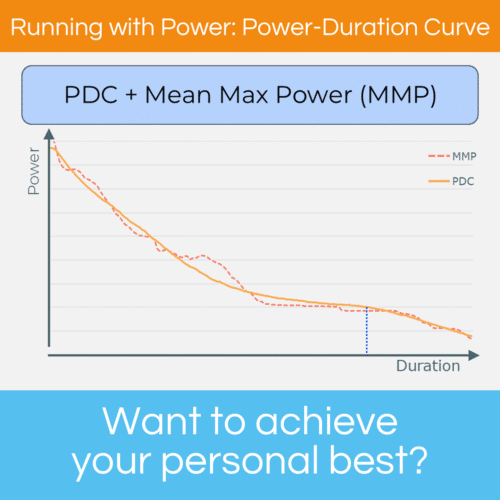
A Power-Duration Curve (with accompanying Mean-Max Power curve)

๐ˆ๐ฌ ๐ฆ๐ฒ ๐๐ƒ๐‚ ๐š๐œ๐œ๐ฎ๐ซ๐š๐ญ๐ž?

Your PDC is modelled using your best efforts from your recent workouts – usually, the last 90 days of workouts.

Its accuracy (and its usefulness) depends on whether those best efforts include some maximum effort runs for a range of different durations.

๐๐ž๐ฌ๐ญ ๐„๐Ÿ๐Ÿ๐จ๐ซ๐ญ๐ฌ?

Best efforts are those efforts with the highest average power for each duration on your PDC.

They need not be the best you could have achieved, just the best that you actually ran during the last 90 days.

๐Œ๐š๐ฑ๐ข๐ฆ๐ฎ๐ฆ ๐„๐Ÿ๐Ÿ๐จ๐ซ๐ญ๐ฌ?

Maximum efforts are efforts where you deliberately run as hard as you can for each duration.

They represent the best you can currently achieve.

๐€ ๐ซ๐š๐ง๐ ๐ž ๐จ๐Ÿ ๐๐ข๐Ÿ๐Ÿ๐ž๐ซ๐ž๐ง๐ญ ๐๐ฎ๐ซ๐š๐ญ๐ข๐จ๐ง๐ฌ?

Your PDC reflects your capability over very short durations (20-30 seconds), short durations (2-3 minutes), medium durations (12-15 minutes) and longer durations (20-40 minutes).

๐“๐จ ๐ž๐ง๐ฌ๐ฎ๐ซ๐ž ๐ฒ๐จ๐ฎ๐ซ ๐๐ƒ๐‚ ๐ญ๐ซ๐ฎ๐ฅ๐ฒ ๐ซ๐ž๐Ÿ๐ฅ๐ž๐œ๐ญ๐ฌ ๐ฒ๐จ๐ฎ๐ซ ๐œ๐š๐ฉ๐š๐›๐ข๐ฅ๐ข๐ญ๐ฒโ€ฆ

Your PDC needs to be ‘fresh’:
โšก A PDC that may have been ‘accurate’ 60 days ago is not necessarily ‘accurate’ today
โšก A PDC that includes best efforts rather than maximum efforts may not represent the best you can actually achieve

To ensure your PDC is ‘fresh’:
โœ… your training should include maximum effort runs for each of the above durations, so that your last 90 days of workouts includes a maximum effort for each duration
โœ… you should run maximum efforts every 4-6 weeks, alternating between durations, so that your Threshold Power (and your PDC) reflects your current capability.

๐‘บ๐’‰๐’๐’–๐’๐’…๐’’๐’• ๐’š๐’๐’– ๐’ƒ๐’† ๐‘น๐’–๐’๐’๐’Š๐’๐’ˆ ๐’˜๐’Š๐’•๐’‰ ๐‘ท๐’๐’˜๐’†๐’“?

โ“ Questions?
๐Ÿ“– Getting Started

๐“๐จ๐ฉ๐ข๐œ: ๐๐จ๐ฐ๐ž๐ซ-๐ƒ๐ฎ๐ซ๐š๐ญ๐ข๐จ๐ง ๐‚๐ฎ๐ซ๐ฏ๐ž
โฉ What are you capable of?
โฉ You fatigue faster at higher intensities
โฉ You fatigue more slowly at lower intensities
โฉ How do I use my PDC?
โฉ Is my PDC accurate?

What’s the best way to calculate Threshold Power?

Multiple runners sprinting - above Threshold Power

๐–๐ก๐š๐ญ’๐ฌ ๐ญ๐ก๐ž ๐›๐ž๐ฌ๐ญ ๐ฐ๐š๐ฒ ๐ญ๐จ ๐œ๐š๐ฅ๐œ๐ฎ๐ฅ๐š๐ญ๐ž ๐“๐ก๐ซ๐ž๐ฌ๐ก๐จ๐ฅ๐ ๐๐จ๐ฐ๐ž๐ซ?

This is a common question for runners new to power and wanting to ensure an accurate Threshold Power.

You can use any of the three most commonly used models.

Why?

Your threshold is a โ€˜phase transitionโ€™ over a narrow range of intensities, with lots of metabolic changes occurring at different rates and in parallel. And your Threshold Power is an intensity thatโ€™s within (or close to) the phase transition.

In this context, any of the three most commonly used models can produce a usable Threshold Power.

๐–๐ก๐ข๐œ๐ก ๐ฌ๐ก๐จ๐ฎ๐ฅ๐ ๐ฒ๐จ๐ฎ ๐ฎ๐ฌ๐ž?

The answer typically depends on the app youโ€™re using to review your power metrics:
๐Ÿ”น Using WKO? Youโ€™ll most likely use auto-calculated FTP.
๐Ÿ”น Using Stryd PowerCenter? Youโ€™ll most likely use Auto-CP.
๐Ÿ”น Using another app? Youโ€™ll most likely use CP tests.

๐ƒ๐จ ๐š๐ฅ๐ฅ ๐ญ๐ก๐ซ๐ž๐ž ๐ฆ๐จ๐๐ž๐ฅ๐ฌ ๐ ๐ข๐ฏ๐ž ๐ญ๐ก๐ž ๐ฌ๐š๐ฆ๐ž ๐ซ๐ž๐ฌ๐ฎ๐ฅ๐ญ?

No.

Itโ€™s likely that each will give a slightly different result, although the Threshold Power numbers are usually within 2-3% of each other.

And if you have multiple Threshold Power numbers to choose from, choose the lowest.

This means your training targets will err on the side of under-training, rather than the side of over-training (and an increased risk of injury).

๐‘บ๐’‰๐’๐’–๐’๐’…๐’’๐’• ๐’š๐’๐’– ๐’ƒ๐’† ๐‘น๐’–๐’๐’๐’Š๐’๐’ˆ ๐’˜๐’Š๐’•๐’‰ ๐‘ท๐’๐’˜๐’†๐’“?

โ“ Questions?
๐Ÿ“– Getting Started

๐“๐จ๐ฉ๐ข๐œ: ๐“๐ก๐ซ๐ž๐ฌ๐ก๐จ๐ฅ๐ ๐๐จ๐ฐ๐ž๐ซ
โฉ What is Threshold Power?
โฉ Identifying your Threshold Power
โฉ Using Threshold Power
โฉ Threshold Power vs VO2max
โฉ What’s the best way to calculate Threshold Power?

Using Threshold Power

Multiple runners sprinting - above Threshold Power

๐”๐ฌ๐ข๐ง๐  ๐“๐ก๐ซ๐ž๐ฌ๐ก๐จ๐ฅ๐ ๐๐จ๐ฐ๐ž๐ซ

Your Threshold Power is an important measure of your running fitness. It’s used to โ€ฆ

โ€ฆ ๐ฌ๐ž๐ญ ๐ญ๐ซ๐š๐ข๐ง๐ข๐ง๐  ๐ญ๐š๐ซ๐ ๐ž๐ญ๐ฌ

Training targets are a percentage of threshold for all types of workouts (long runs, intervals etc.)

The percentages depend on the purpose of the workout and the ability of the runner. But they all have one thing in common โ€“ they are based on your threshold, which means:
๐Ÿ”น they are based on your current running fitness โ€“ what you can achieve right now (without over- or under-training).
๐Ÿ”น your workout targets self-adjust if your threshold changes

โ€ฆ ๐ฆ๐จ๐ง๐ข๐ญ๐จ๐ซ ๐ญ๐ซ๐š๐ข๐ง๐ข๐ง๐  ๐ฅ๐จ๐š๐

Training stresses your body and, if done correctly, encourages it to adapt.

Running with Power uses Training Load Scores to monitor your training load. Training load scores represent the physical and metabolic impact of each workout.

Training load scores are relative to your threshold, so that if your threshold power changes, your scores stay aligned to your threshold and to your ability to cope with the training.

โ€ฆ ๐ฌ๐ž๐ญ ๐ซ๐š๐œ๐ž/๐ž๐ฏ๐ž๐ง๐ญ ๐ญ๐š๐ซ๐ ๐ž๐ญ๐ฌ

Your threshold is a key measure of your running fitness. On race day, your finish time will depend to a large extent on your running fitness.

To plan your race-day target power based on your race-day fitness, itโ€™s essential to know your current fitness โ€“ your threshold power.

๐‘บ๐’‰๐’๐’–๐’๐’…๐’’๐’• ๐’š๐’๐’– ๐’ƒ๐’† ๐‘น๐’–๐’๐’๐’Š๐’๐’ˆ ๐’˜๐’Š๐’•๐’‰ ๐‘ท๐’๐’˜๐’†๐’“?

โ“ Questions?
๐Ÿ“– Getting Started

๐“๐จ๐ฉ๐ข๐œ: ๐“๐ก๐ซ๐ž๐ฌ๐ก๐จ๐ฅ๐ ๐๐จ๐ฐ๐ž๐ซ
โฉ What is Threshold Power?
โฉ Identifying your Threshold Power
โฉ Using Threshold Power
โฉ Threshold Power vs VO2max
โฉ What’s the best way to calculate Threshold Power?

What is Threshold Power?

Multiple runners sprinting - above Threshold Power

๐–๐ก๐š๐ญ ๐ข๐ฌ ๐“๐ก๐ซ๐ž๐ฌ๐ก๐จ๐ฅ๐ ๐๐จ๐ฐ๐ž๐ซ?

Running power provides numbers that represent your effort – your running intensity.

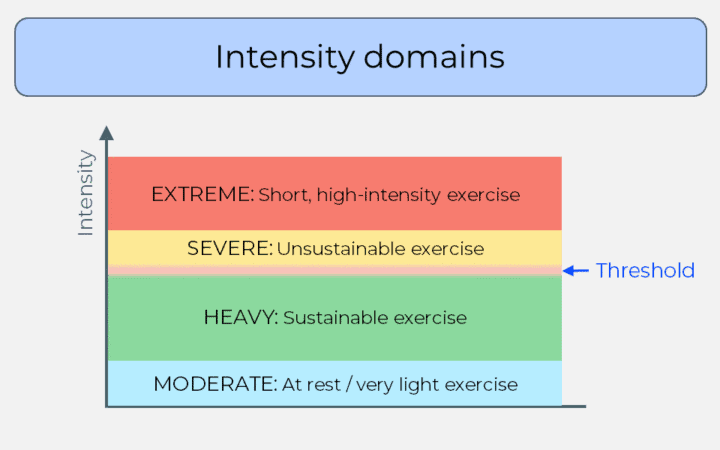
The intensity domains (Moderate, Heavy, Severe, Extreme) showing Threshold between the Heavy and Severe domains

At lower intensity levels, your body achieves a metabolic steady(ish) state and you can sustain your effort for an extended period. Researchers call these domains โ€˜moderate to heavy.โ€™

At higher intensity levels, you canโ€™t achieve a metabolic steady(ish) state. Youโ€™ll fatigue much more rapidly and need to slow down or stop. Researchers call these โ€˜severe to extremeโ€™ domains.

The change from heavy to severe doesnโ€™t happen at a precise point โ€“ itโ€™s a โ€˜phase transitionโ€™ over a narrow range of intensities, with lots of metabolic changes occurring at different rates and in parallel.

There are many names for this phase transition โ€“ Anaerobic Threshold, LT2, VT2, Critical Power and more.

๐“๐ก๐ซ๐ž๐ฌ๐ก๐จ๐ฅ๐ ๐๐จ๐ฐ๐ž๐ซ

Threshold Power is an intensity thatโ€™s within (or close to) the phase transition from heavy to severe.

It’s a foundation metric – one that’s used by many other power metrics.

Threshold Power:
โœ… is highly correlated with speed in endurance events โ€“ from 5k through marathon and beyond
โœ… can be identified using field-based tests โ€“ no need for lab-based testing
โœ… can be improved with training โ€“ improve your threshold, and youโ€™ll improve your performance
โœ… is an important representation of your running fitness โ€“ you should track it as part of your training

๐‘บ๐’‰๐’๐’–๐’๐’…๐’’๐’• ๐’š๐’๐’– ๐’ƒ๐’† ๐‘น๐’–๐’๐’๐’Š๐’๐’ˆ ๐’˜๐’Š๐’•๐’‰ ๐‘ท๐’๐’˜๐’†๐’“?

โ“ Questions?
๐Ÿ“– Getting Started

For more information on intensity domains and the phase transition, see Burnley, M., (2020) Exercise intensity domains and phase transitions: the power-duration relationship

๐“๐จ๐ฉ๐ข๐œ: ๐“๐ก๐ซ๐ž๐ฌ๐ก๐จ๐ฅ๐ ๐๐จ๐ฐ๐ž๐ซ
โฉ What is Threshold Power?
โฉ Identifying your Threshold Power
โฉ Using Threshold Power
โฉ Threshold Power vs VO2max
โฉ What’s the best way to calculate Threshold Power?

Is power just for elite runners?

A runner 'Running with Power'

๐ˆ๐ฌ ๐ฉ๐จ๐ฐ๐ž๐ซ ๐ฃ๐ฎ๐ฌ๐ญ ๐Ÿ๐จ๐ซ ๐ž๐ฅ๐ข๐ญ๐ž ๐ซ๐ฎ๐ง๐ง๐ž๐ซ๐ฌ?

No.

In fact, non-elites may benefit more from power than elite runners.

Why?

Running power provides numbers that represent your effort – how hard you’re working when you’re running.

Elite runners have usually spent years training and competing.

Which means theyโ€™ve developed a very good feel for how hard theyโ€™re working when they run, and how long they can maintain race-winning efforts.

They have a well-developed ๐‘ ๐‘ข๐‘๐‘—๐‘’๐‘๐‘ก๐‘–๐‘ฃ๐‘’ feel for their effort.

Power provides an ๐‘œ๐‘๐‘—๐‘’๐‘๐‘ก๐‘–๐‘ฃ๐‘’ measurement of effort that, while useful for elite runners wanting to fine-tune their running, may not provide an enormous benefit.

๐’๐จ, ๐ฉ๐จ๐ฐ๐ž๐ซ ๐ข๐ฌ ๐Ÿ๐จ๐ซ ๐ง๐จ๐ง-๐ž๐ฅ๐ข๐ญ๐ž ๐ซ๐ฎ๐ง๐ง๐ž๐ซ๐ฌ?

โšก Any runner can use power, but non-elite runners may get the biggest benefits.

Benefits like:
โœ… maintaining a consistent effort over hills or in windy conditions
โœ… using the instant feedback from power for precise interval training
โœ… minimising injury risk by monitoring accumulated training load from completed workouts
โœ… assessing whether drills or form adjustments are improving their ability to convert effort into speed
โœ… using power to train your feel for when you’re running too hard or too easy

As one runner commented, “I honestly think it helps weaker/slower/newer runners even more than experienced fast runners. Itโ€™s like having a coach in a pod!”

๐‘บ๐’‰๐’๐’–๐’๐’…๐’’๐’• ๐’š๐’๐’– ๐’ƒ๐’† ๐‘น๐’–๐’๐’๐’Š๐’๐’ˆ ๐’˜๐’Š๐’•๐’‰ ๐‘ท๐’๐’˜๐’†๐’“?

โ“ Questions?
๐Ÿ“— Get Started

๐“๐จ๐ฉ๐ข๐œ: ๐๐จ๐ฐ๐ž๐ซ=๐„๐Ÿ๐Ÿ๐จ๐ซ๐ญ
โฉ What is power?
โฉ Does Power measure effort?
โฉ Is Power better than Pace, or HR?
โฉ Is Power just for elite runners?
โฉ How do I start Running with Power?